

You're in the kitchen at 6:15 on a Tuesday. The cabinets still work, but the finish looks tired. The counters are dated. The lighting is flat. You want the room to feel better without turning your house upside down for six weeks or spending full-renovation money.
That's a familiar situation in Camden and Burlington Counties. Homeowners in Cherry Hill, Voorhees, Haddonfield, and Mount Laurel often have kitchens with solid layouts and usable cabinet boxes, but finishes and fixtures that make the whole room feel older than it is. In many of these homes, the smartest upgrade is not a gut job. It's a focused plan that improves the parts you see and touch every day.
The trade-off is simple. Saving money usually means keeping the footprint, avoiding plumbing moves, and working with what's structurally sound. Done well, that approach can still make a major visual difference. Done poorly, it leads to piecemeal purchases, mismatched finishes, and DIY work that has to be redone.
I tell South Jersey clients to start with the biggest visual surfaces first, then decide what belongs in the DIY column and what should be handled by a pro. Cabinet refacing, countertop swaps, hardware, backsplash, paint, shelving, and lighting can all move the room forward without a full demolition. If you're weighing that first step, this breakdown of kitchen cabinet refacing costs in South Jersey helps set expectations before you choose materials.
The eight upgrades below are geared to real kitchens in this area, with practical cost ranges, clear DIY versus professional guidance, and the kind of design decisions that hold up in daily use. If you want help turning ideas into a workable plan, The Cabinet Coach brings mobile kitchen design guidance directly to South Jersey homeowners.
Table of Contents
- 1. Cabinet Refacing and Refinishing
- 2. Affordable Countertop Material Alternatives
- 3. Strategic Hardware and Fixture Updates
- 4. Budget-Friendly Backsplash Installation
- 5. Paint and Stain Finishes on Existing Cabinetry
- 6. Open Shelving and Floating Shelf Installation
- 7. Lighting Upgrades and LED Conversion
- 8. DIY and Hybrid Project Approach with Professional Guidance
- Budget Kitchen Upgrades: 8-Point Comparison
- Your South Jersey Kitchen Upgrade Starts Here
1. Cabinet Refacing and Refinishing
You walk into a 1990s kitchen in Marlton or Cherry Hill and the first thing you notice is usually the doors, not the cabinet boxes. If the boxes are level, solid, and still serving the layout well, refacing can change the look of the room without paying for a full tear-out.
That makes it a smart option in many Camden and Burlington County homes with well-built older cabinetry and dated styles. I see this a lot with oak boxes that still have years of life left in them, even though the raised-panel doors, yellowed finish, and exposed sides make the kitchen feel older than it is.
Where refacing makes sense locally
Refacing works best when the cabinet structure is sound and the kitchen footprint already functions well. It improves appearance fast, but it does not fix poor traffic flow, undersized storage, or a failing sink base.
Local examples that usually pencil out include:
- Cherry Hill colonial refresh: Slab or shaker replacement fronts with updated pulls for a cleaner transitional look.
- Burlington County family kitchen: Painted doors in white, putty, or soft greige to brighten a darker room without rebuilding every cabinet.
- Voorhees resale prep: Refaced cabinetry paired with new counters for a more finished result than paint alone.
In practical budget terms, refacing often lands in the middle ground between a cosmetic paint job and full cabinet replacement. If you want to compare that cost range before committing, this guide to kitchen cabinet refacing costs lays out the trade-offs clearly.
What separates a good result from a disappointing one
The shortcuts show up quickly in a refacing job. End panels need to match. Veneer has to be applied cleanly around edges and face frames. Door spacing needs to stay consistent across the whole run. Hardware placement has to line up, especially where drawers stack next to doors.
For this reason, professional labor often earns its keep on this upgrade. A skilled installer can make older cabinet boxes look intentional. A rushed job tends to highlight every flaw the kitchen already had.
Homeowners in South Jersey also need to assess the condition of the boxes accurately. Do not spend money refacing cabinets that are swollen from moisture, out of square, or poorly anchored to the wall. New doors on bad boxes rarely save money for long.
DIY, hybrid, or full-service?
Some parts of this project are DIY-friendly. Hardware swaps, shelf liner replacement, and interior accessories are manageable for many homeowners. Veneer work, door ordering, hinge boring, and finish matching are much less forgiving.
I usually suggest a hybrid approach for budget-conscious projects. Handle the simple prep and accessory upgrades yourself, then bring in help for measurements, material selection, and installation details that are hard to correct later. If you are also planning counters, it helps to review how cabinet style and surface choice work together before ordering. The Cabinet Coach has a useful guide on how to choose kitchen countertops if you want to map those decisions in the right order.
One more practical note. If you are already changing fronts, spend part of the budget on function, not just finish. Rollout trays, tray dividers, and a better trash pullout improve daily use more than an extra decorative detail ever will.
If you want help sorting out whether your kitchen is a refacing candidate, The Cabinet Coach can review the space on-site in Camden or Burlington County and help you decide what is worth doing, what is not, and where to split the work between DIY and professional installation.
2. Affordable Countertop Material Alternatives
Countertops pull more visual weight than people expect. Change the surface, and the whole kitchen reads differently, even if the footprint stays exactly the same. That's why this is one of the strongest budget kitchen upgrades when cabinets are staying in place.
Nationally, budget kitchen upgrades and minor renovations averaged roughly $20,000 to $28,458 in 2025 across U.S. surveys, with costs per square foot ranging from $75 to $250 depending on scope and location, according to Statista's kitchen renovation spending summary. In Camden and Burlington Counties, your material choice does a lot of the work in controlling where you land within that broader range.
Three materials that usually make sense
Laminate has improved a lot. The better patterns don't scream laminate from across the room, and for laundry-adjacent kitchens, rentals, or first-phase remodels, it can be the right answer.
Solid surface is useful when you want a continuous appearance and easier cleanup around sinks. Engineered quartz gives you the most upgraded appearance of the three, but edge profiles, cutouts, and installation details can move the price quickly.
- Laminate: Best for tight budgets and simple layouts.
- Solid surface: Best for soft, continuous lines and integrated details.
- Engineered quartz: Best for a more premium finish without going fully custom.
In Cherry Hill and Mount Laurel homes, neutral counters still tend to age better than loud movement or ultra-trendy tones. White, warm gray, soft beige, and light stone looks are easier to pair with new paint, refaced cabinets, and changing hardware over time.
Where people overspend
They pick the slab first and ignore the labor details. Sink cutouts, corner seams, old-wall irregularities, backsplash decisions, and appliance clearances all affect the final number.
Before choosing a surface, it helps to compare wear, maintenance, and edge options side by side. The Cabinet Coach walks through that process in this guide to choosing kitchen countertops.
Pair a modest countertop with a clean backsplash and coordinated hardware, and the kitchen often looks more expensive than the material itself.
That is the goal. Not pretending a budget finish is luxury, but making every visible choice work together.
3. Strategic Hardware and Fixture Updates
A lot of South Jersey kitchens start to feel dated for a simple reason. Every finish is telling a different story. The cabinets may be serviceable, but the old brass knobs, builder-grade faucet, and worn sink accessories keep the room stuck in another decade.
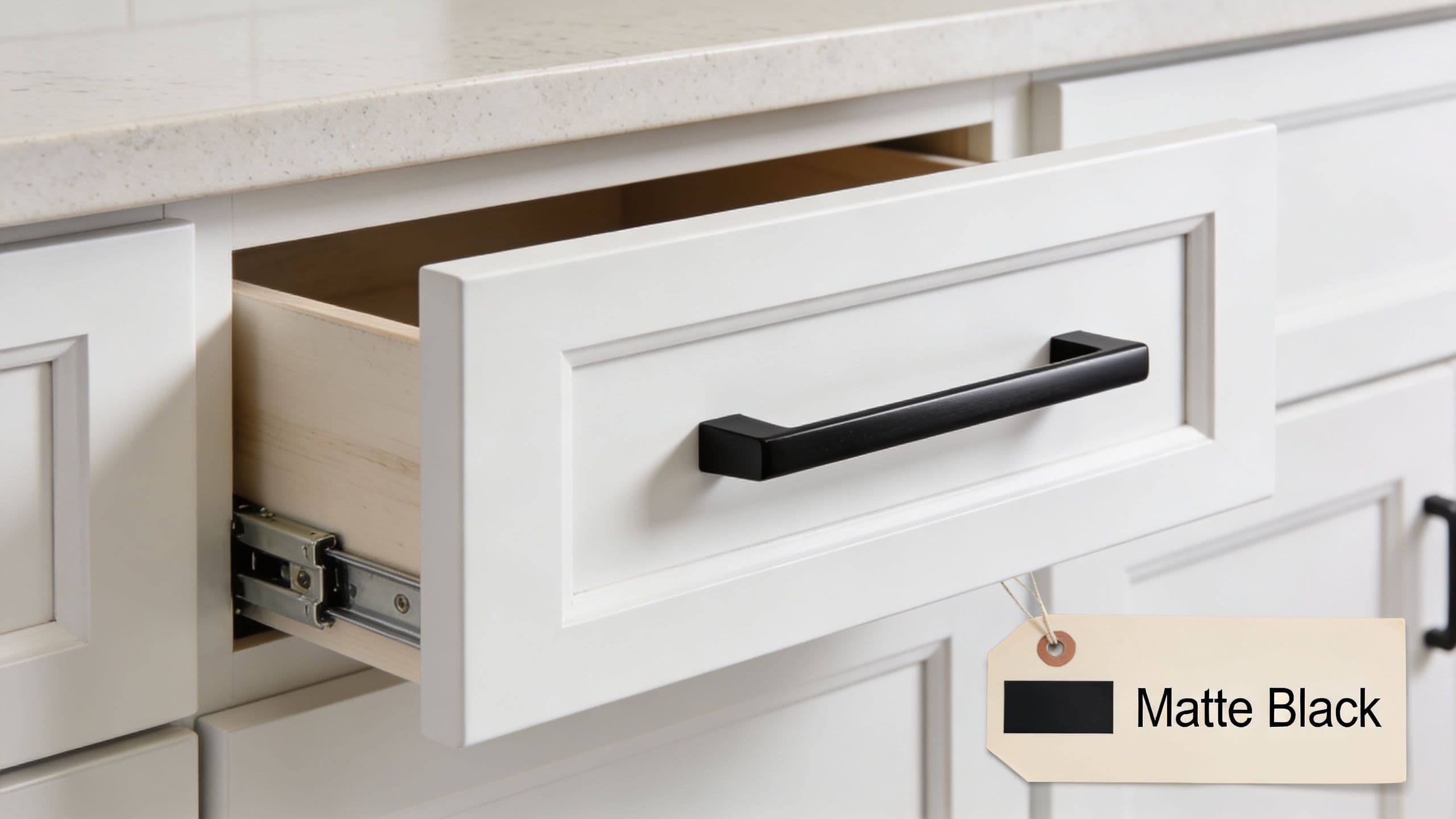
The fastest visible upgrade
In Audubon Park, Collingswood, and Merchantville, I usually start by tightening up the finish package. Cabinet pulls, a faucet, and sometimes the sink. Once those pieces relate to each other, the kitchen reads as intentional instead of pieced together over time.
This category makes sense for budget-conscious Camden and Burlington County homeowners because the visual payoff is immediate, the disruption is low, and some of the work is realistic for a careful DIY homeowner. Hardware swaps are usually straightforward. Faucet replacement can also be manageable if the shutoffs work, the sink base has enough access, and the existing hole layout matches. Sink replacement is where many DIY projects slow down fast.
What gives you the best return in appearance
- Longer pulls on drawers: Better grip, cleaner lines, and a more current look than small knobs on wide bases.
- Brushed nickel, stainless-look, or matte black finishes: Easy to coordinate with common appliance packages found in local resale homes.
- Pull-down faucets: One of the few upgrades people notice the first day they use it.
- Soft-close hinges or drawer slides: Less visible, but they improve daily use more than another decorative detail.
What usually hurts the result is random mixing. Black hardware with a polished chrome faucet, bronze pendants, and stainless appliances can work, but only if the combinations are deliberate. In most modest kitchen updates, two metal stories are plenty.
For homeowners comparing styles, this roundup of kitchen cabinet hardware trends helps narrow down what fits shaker doors, slab fronts, and more traditional cabinet profiles. If your kitchen is already heading in a darker, higher-contrast direction, it also helps to see how hardware and finish choices relate to backsplash selections, especially in kitchens using black kitchen backsplash tile ideas.
DIY vs. pro: where to draw the line
A full set of knobs or pulls is a reasonable Saturday project if you measure carefully and use a template. Drilling new holes without a jig is where I see the mistakes. Crooked hardware stands out immediately, especially on painted cabinets.
Faucets are a split decision. If the plumbing connections are accessible and the sink deck is clean, a homeowner can often handle it. If the shutoff valves are frozen, the sink cabinet is tight, or the faucet is being changed along with the sink, hire it out and keep the project moving.
In Cherry Hill, Voorhees, and Mount Laurel homes, I often tell clients to buy one pull, one knob, and one faucet finish first. Set them in the kitchen under your actual lighting, next to the floor, counter, and appliance finish. That single check cuts down on bad guesses and product returns.
If you want help choosing pieces that work together before you order anything, The Cabinet Coach can review finishes, spacing, and install priorities on-site. That is often the difference between a quick upgrade that looks custom and a pile of mismatched boxes on the counter.
4. Budget-Friendly Backsplash Installation
A backsplash does two jobs at once. It protects the wall, and it finishes the kitchen visually. When the counters and cabinets are fairly simple, the backsplash often becomes the detail that makes the room feel designed instead of merely updated.
This is also where homeowners can overshoot. A complicated tile pattern in a modest kitchen can make the room feel busier, not better. In most South Jersey homes, the safer budget move is a restrained field tile installed cleanly.
The reliable choices
White subway tile remains the easiest recommendation because it works with almost anything. In Pennsauken, Haddon Heights, and Cinnaminson kitchens, it pairs well with painted cabinets, laminate counters, and quartz alike.
If you want a little more character, use shape or grout to do the work:
- Classic subway with medium grout: Crisp and easy to maintain.
- Longer rectangular tile: Helps stretch a small kitchen visually.
- Simple ceramic in a herringbone layout: More movement without becoming loud.
- Peel-and-stick options: Reasonable for temporary updates or low-risk DIY areas.
The weakest results usually come from imitation luxury looks installed poorly. Fake marble patterns with uneven seams, crooked layouts around outlets, and badly finished edges are what people notice first.
DIY or pro
Straight subway tile is possible for a careful DIY homeowner. Intricate layouts, uneven walls, and visible focal walls are better left to a tile setter.
If you're trying to choose a darker backsplash without making the room feel heavy, The Cabinet Coach has good examples in this guide to black kitchen backsplash tile.
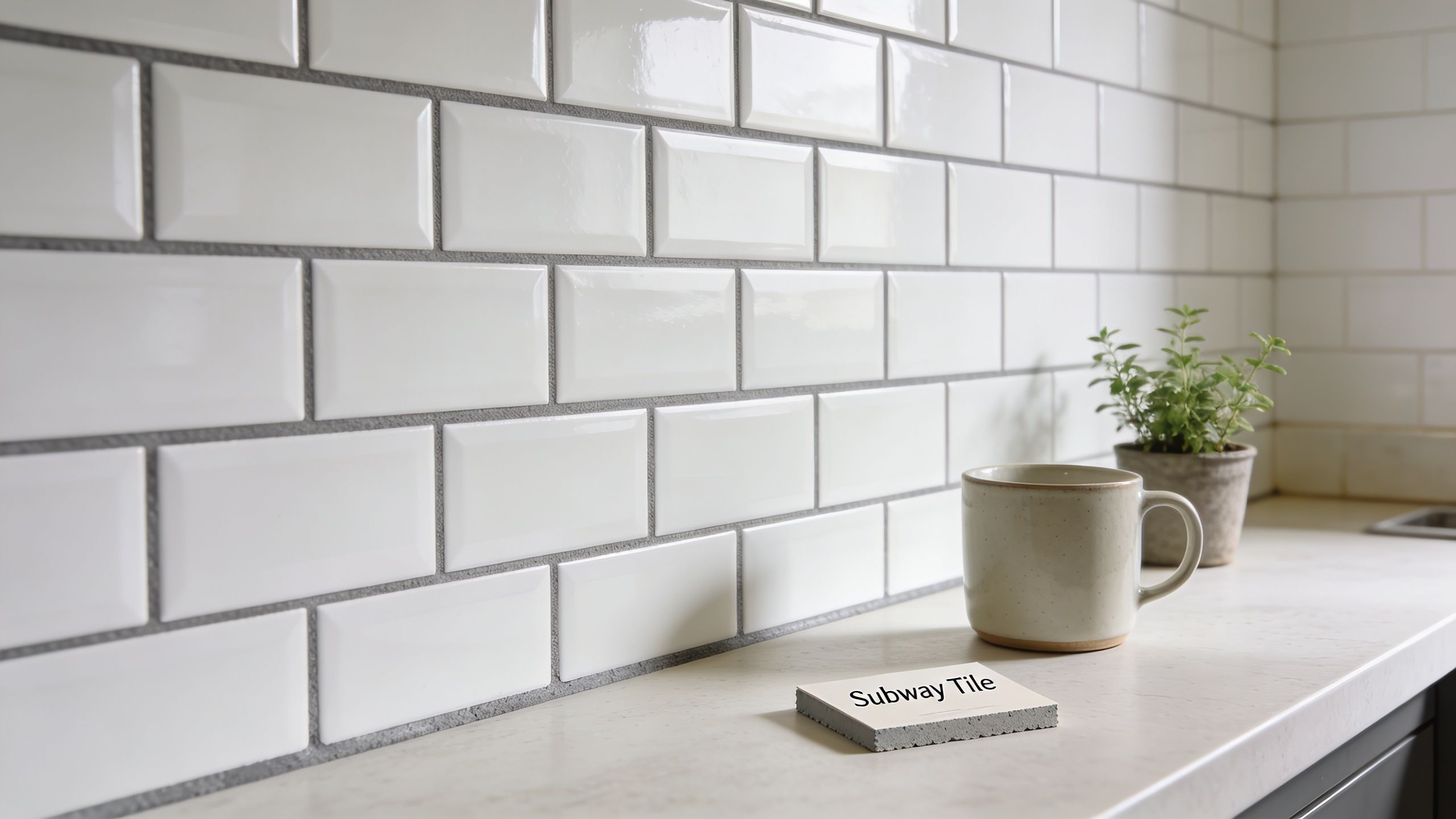
Clean layout beats expensive tile. If the cuts are sharp, the spacing is even, and the edge treatment is finished properly, even a modest backsplash looks polished.
That's what gives you value here. Precision, not novelty.
5. Paint and Stain Finishes on Existing Cabinetry
A lot of South Jersey homeowners reach this point after pricing new cabinets in Camden County or Burlington County and realizing the layout still works. The boxes are solid. The doors are dated. Paint or stain can buy the kitchen a fresh look without pushing the project into full-replacement money.
When paint is the right answer
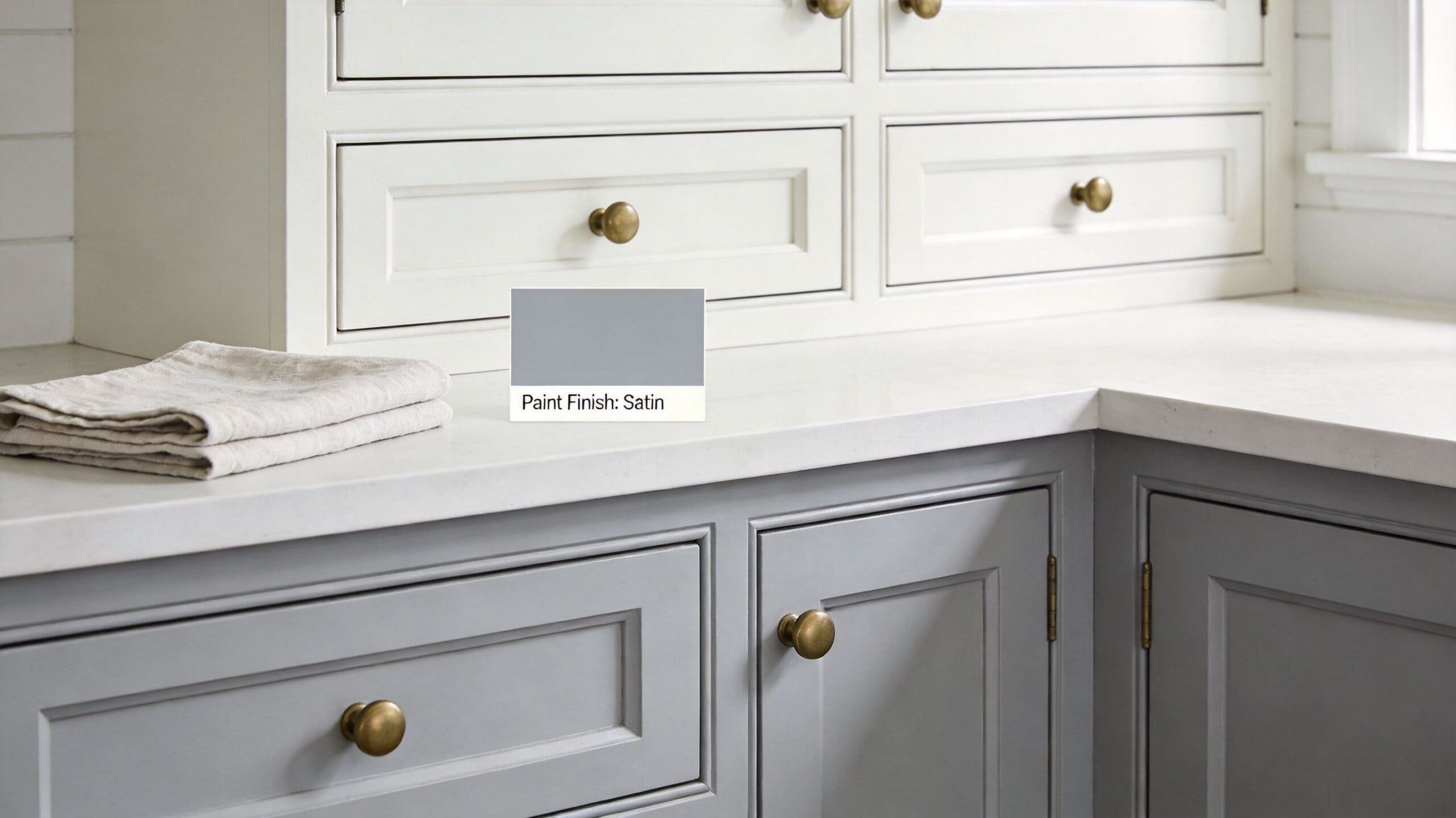
Paint makes sense when the cabinet frames are in good shape, the doors are worth saving, and the room needs a visual reset more than a structural change. I see this often with oak kitchens in Cherry Hill, builder-grade maple in Voorhees, and darker stained cabinets in Mount Laurel that feel heavy but still function well.
In practical terms, this is usually one of the lower-cost ways to change the entire feel of the kitchen. Around South Jersey, a straightforward cabinet painting job lands far below the cost of replacement, but the finish quality depends heavily on the prep and the condition of the doors you start with.
Stain is still a valid option. If the wood has attractive grain and the current color is the main problem, a lighter or more neutral stain can look more grounded than painting everything white.
What separates a durable job from a quick one
Cabinet paint fails in predictable places. Around the pulls. On the sink base. On drawer fronts that get hit all day. Those problem spots usually trace back to skipped prep, weak primers, or doors that were put back into service before the coating had time to cure.
A finish that holds up starts with cleaning, removing doors and hardware, sanding or deglossing correctly, and using products meant for cabinetry rather than walls. That part is less exciting than choosing color, but it is what determines whether the kitchen still looks good a year from now.
For homeowners comparing DIY against outside help, this overview of cabinet painting services in South Jersey gives a good sense of what a proper process should include.
Here's a good visual reference before-and-after style inspiration:
The biggest mistake is treating cabinet painting like wall painting. Cabinets are furniture-grade surfaces. They need a furniture-grade process.
DIY works best when the doors are flat or simple shaker, the homeowner has a clean setup space, and the schedule allows enough drying and curing time. Professional help usually makes more sense with older finishes, detailed door profiles, visible grain bleed, or kitchens where downtime needs to stay short.
That trade-off matters. A cheaper paint job that chips early is not a bargain.
6. Open Shelving and Floating Shelf Installation
Open shelving looks easy online. In real kitchens, it works only when it's used selectively.
The best results come from replacing a small portion of upper cabinetry, not all of it. In Haddonfield, Moorestown, and Medford homes, a few floating shelves can break up a heavy wall of cabinets and make the room feel more open, especially near a window or coffee station.
Where shelves help
Shelves work well in these spots:
- Beside a window: They preserve light better than a full upper cabinet run.
- Above a short counter stretch: Good for mugs, bowls, and cookbooks.
- Near a beverage area: Useful for glassware and serving pieces.
- As a visual break: Helpful when upper cabinets make the room feel boxed in.
The mistake is using them as a substitute for all practical storage. Everyday kitchens still need concealed space for food containers, small appliances, kids' cups, and the random things nobody wants on display.
A minor remodel often performs best when it preserves layout and focuses on visible, functional updates instead of unnecessary structural work. That's also why open shelving should support the existing kitchen, not force a total rethink.
The styling and maintenance reality
Open shelves need editing. If everything is mismatched, overpacked, or dusty, they quickly look worse than the cabinets they replaced.
Keep them for items you use and can keep orderly. Neutral dishes, glassware, a few cookbooks, and one or two softer elements such as a small plant or bowl usually work best.
Open shelving is part storage, part decor. If you need hidden storage, choose cabinets. If you want visual relief, add shelves in measured doses.
For most households, that means a balanced mix. Closed storage where clutter builds. Open storage where the eye needs breathing room.
7. Lighting Upgrades and LED Conversion
Bad lighting makes a kitchen feel older than it is. Good lighting makes the same cabinets, counters, and paint look sharper. That's why lighting is one of the smartest budget kitchen upgrades, especially in older Camden County homes where a single ceiling fixture still does all the work.
Under-cabinet lighting is usually the first move I recommend. It improves prep visibility, helps backsplashes read better, and makes the room feel finished at night.
What to prioritize first
Start with function, then layer in style. In Cherry Hill, Gloucester Township, and Mount Holly kitchens, the strongest combination is usually task lighting below the uppers, ambient ceiling lighting, and one decorative element such as pendants over an island or peninsula.
A few practical decisions matter more than fixture trends:
- Warm white LED for comfort: Better for a welcoming everyday feel.
- Dimmable fixtures and bulbs: Useful for early mornings and evenings.
- Consistent finish family: Lighting should relate to the hardware and faucet.
- Proper placement: Even good fixtures look wrong when spacing is off.
Where to avoid cutting corners
Electrical work isn't the place for trial-and-error DIY. If wiring is being added, relocated, or tied into switches, bring in an electrician.
There's also a regional angle here. One underserved topic in kitchen advice is local sourcing and cost variation in South Jersey. Material costs can run higher in this region, and New Jersey sales tax is 6.625%, according to the House Digest summary of South Jersey budget upgrade considerations. That's one more reason to choose lighting intentionally and avoid impulse fixture purchases that don't fit the plan.
For homeowners who want to pair better lighting with eco-conscious updates, the same source notes that some LED lighting upgrades may align with New Jersey energy-efficiency incentives. The exact fit depends on product and program details at the time you buy.
A simple kitchen with good layered lighting almost always feels better than a fancier kitchen lit poorly. Homeowners notice it immediately, and buyers do too.
8. DIY and Hybrid Project Approach with Professional Guidance
A lot of kitchen projects don't need to be all DIY or all contractor-driven. The best budget outcome often comes from a hybrid approach. Homeowners handle the low-risk tasks. Pros handle the visible, technical, or code-sensitive work.
That can work especially well in South Jersey, where many homeowners want to control spending but still need a reliable process. The key is knowing where your effort saves money and where it creates expensive rework.
The DIY jobs that usually make sense
Good DIY candidates include hardware installation, demolition of non-critical finishes, painting walls, shelf styling, and some straightforward backsplash work if the layout is simple.
This can also pair well with plumbing-related add-ons that are designed for homeowner installation. If you're considering a sink-area update, this guide to installing an under-sink water filter with faucet shows the kind of project that can fit into a broader kitchen refresh for a hands-on homeowner.
Where professional help saves money
Leave electrical, plumbing moves, cabinet layout planning, finish carpentry, countertop templating, and most cabinet painting to professionals. Those are the areas where mistakes are visible or expensive.
Projected 2026 data cited in a Remodeling cost discussion video placed mid-range kitchen remodels around a $75,000 to $78,500 national median with about a 61% recoup, which reinforces the basic point: if you're trying to stay budget-conscious, cap the work at functional enhancements and avoid drifting into a quasi-full remodel.
A hybrid project works only when someone owns the plan. Measurements, material lead times, trade sequencing, and finish decisions still need coordination.
That's where a mobile design service helps. The Cabinet Coach can help homeowners in Cherry Hill, Haddonfield, Voorhees, Mount Laurel, Moorestown, Cinnaminson, and surrounding towns decide what to tackle themselves, what to hand off, and how to keep the choices consistent from start to finish.
Budget Kitchen Upgrades: 8-Point Comparison
| Item | Implementation complexity 🔄 | Resources & cost ⚡ | Expected outcomes 📊 | Effectiveness / quality ⭐ | Ideal use cases & tips 💡 |
|---|---|---|---|---|---|
| Cabinet Refacing and Refinishing | Moderate, professional work, 1–2 weeks | Moderate materials (doors, veneer, hardware); 30–50% of full replace | Fresh, modern look; preserves layout; quicker turnaround | ⭐⭐⭐⭐, high if boxes are sound | Best when cabinet boxes are solid; coordinate hardware and counters; consider soft-close |
| Affordable Countertop Alternatives | Low–Moderate, mostly straightforward install | Low to moderate; laminate $10–15/ft², solid surface $25–40, engineered quartz $40–60 | Noticeable aesthetic upgrade; durability varies by material | ⭐⭐⭐, good cost-to-value (engineered quartz ranks higher) | Ideal for budget projects or rentals; pair with quality backsplash; compare installed costs |
| Strategic Hardware and Fixture Updates | Low, DIY-friendly or quick pro install (same-day) | Low cost; $1–8 per knob, faucets $75–300, total $500–2,000 typical | Immediate visual refresh; improved functionality (soft-close, water savings) | ⭐⭐⭐⭐, high visual impact per dollar | Perfect for quick flips or renters; match finishes to appliances; photograph placement before swap |
| Budget-Friendly Backsplash Installation | Low–Moderate, pattern affects complexity | Low materials (subway/peel‑stick $0.50–3/ft²); labor $7–15/ft² | Strong focal point; wall protection; resale appeal | ⭐⭐⭐, high impact, depends on material and installation quality | Good for renters (peel‑and‑stick) and budget homes; measure carefully; hire pros for complex patterns |
| Paint and Stain Finishes on Existing Cabinetry | Moderate, best done by pros for durability | Moderate cost $2,500–8,000; requires prep, commercial-grade products | Dramatic modernization; preserves layout; high ROI | ⭐⭐⭐⭐, excellent when prep and products are professional | Choose neutral tones for resale; hire experienced cabinet painters; allow proper cure time |
| Open Shelving and Floating Shelf Installation | Low, simple install but needs proper anchoring | Low cost per shelf $100–300; removal of doors inexpensive | Airy, modern aesthetic; reduced concealed storage; styling required | ⭐⭐⭐, stylish but functional trade-offs | Limit to ~30–40% upper storage; style intentionally and anchor to studs |
| Lighting Upgrades and LED Conversion | Moderate, may require electrician for wiring | Moderate cost; under-cabinet $100–400, pendants $150–500 each | Brighter, more functional kitchen; energy and maintenance savings | ⭐⭐⭐⭐, high functional and energy benefits | Layer lighting (task + ambient + accent); choose warm whites for inviting feel; use dimmables |
| DIY and Hybrid Project Approach with Professional Guidance | Variable, depends on homeowner skill and scope | Lower labor spend; potential tool rental; 20–40% savings possible | Cost-effective phased upgrades; variable finish quality | ⭐⭐⭐, great savings if matched to skill level | Start with low-risk DIY (hardware, styling); get pro help for electrical/plumbing and final finishes |
Your South Jersey Kitchen Upgrade Starts Here
A better kitchen doesn't always start with demolition. More often, it starts with a few smart decisions made in the right order. If your layout is workable and your cabinet boxes are solid, there's a lot you can do with targeted budget kitchen upgrades that improve both appearance and day-to-day function.
That approach is backed by the broader market. In 2025, minor kitchen remodels emerged as the highest-value budget upgrade for homeowners, averaging $28,458 nationally with a 112.6% return, according to the 2025 Cost vs. Value Report summary published by NAR. The same source notes that the category includes practical updates like cabinet refacing, laminate countertop replacement, a new sink, faucet, range, refrigerator, and flooring. That's exactly why focused upgrades are often the smarter path in South Jersey homes.
For homeowners in Camden County and Burlington County, the challenge usually isn't finding inspiration. It's narrowing the options into a plan that fits the house, the neighborhood, and the budget. A backsplash that looks great online may fight the countertop in your actual lighting. A paint color that worked in a showroom may feel flat against your flooring. A hardware finish may look sharp on its own but awkward once it's sitting beside your faucet and appliances.
That's where guided design matters. The Cabinet Coach brings the showroom to you, which makes decisions easier because you're reviewing cabinetry, countertops, hardware, and tile in your own kitchen, not under retail lighting that changes everything. That saves time, cuts down on second-guessing, and helps keep the project cohesive.
It also helps busy homeowners avoid the most common budget problems. Buying materials out of sequence. Choosing finishes before confirming measurements. Spending too much on one statement feature and leaving no room for the practical upgrades that make the kitchen work better.
Whether you're updating a family kitchen in Cherry Hill, refreshing an investment property in Pennsauken, or planning a resale-minded upgrade in Mount Laurel or Moorestown, the goal is the same. Make the room feel intentional, functional, and worth the money you put into it.
If you're ready to move from ideas to a realistic plan, schedule a complimentary video consultation with The Cabinet Coach. You'll get expert guidance on what to keep, what to change, and which budget kitchen upgrades will have the strongest impact in your home.
If you're planning budget kitchen upgrades in Cherry Hill or anywhere across Camden and Burlington Counties, The Cabinet Coach can help you make smart selections without the usual showroom runaround. Their mobile design service brings cabinetry, countertops, hardware, and tile choices right to your home, so you can compare finishes in your own space and build a kitchen plan that fits your style, timeline, and budget.