
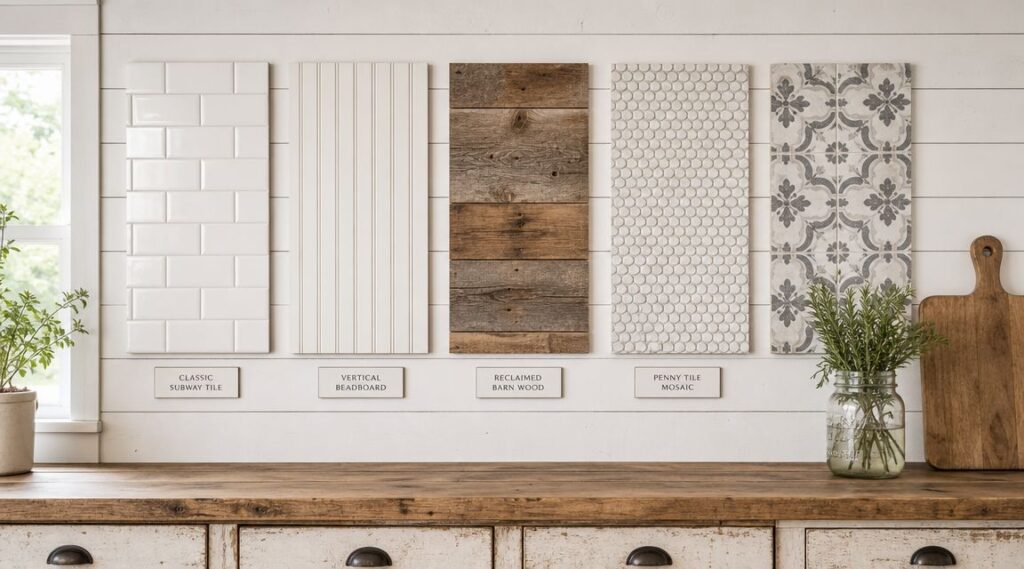
From Drab to Dreamy: Your Farmhouse Kitchen Awaits
The backsplash carries more visual weight than most homeowners expect. Cabinets set the tone, counters add mass, but the backsplash is usually where the personality lands. If your kitchen feels flat, dated, or like it never fully came together, this is often the surface that fixes it.
A lot of South Jersey homeowners I talk to already know they want farmhouse style. What they haven't settled is which version. Some want clean and bright. Some want rustic and textured. Some love the look of brick until they start thinking about grease near the range. That's where the decision gets tricky.
Farmhouse backsplash ideas work best when they balance charm with cleanability. You want warmth, but you also want a wall you can wipe down after making Sunday gravy or a fast weeknight stir-fry. This guide keeps both in view, with ideas that look right and live well in real kitchens.
If you're collecting inspiration beyond farmhouse style, this roundup on backsplash trends for Naples luxury kitchens is also worth a look for material contrast and layout ideas.
Table of Contents
- 1. Classic White Subway Tile
- 2. Shiplap Farmhouse Backsplash
- 3. Patterned Encaustic or Moroccan Tile
- 4. Beadboard Wainscoting Backsplash
- 5. Rustic Stone or Brick Backsplash
- 6. Mixed Material Backsplash Tile and Wood
- 7. Cream or Off-White Glazed Ceramic Tile
- 8. Herringbone or Chevron Pattern Tile
- 9. Painted Backsplash with Stencil or Wallpaper
- 10. Marble or Limestone with Dark Grout
- Farmhouse Backsplash: 10-Item Comparison
- Bring Your Farmhouse Vision to Life in South Jersey
1. Classic White Subway Tile
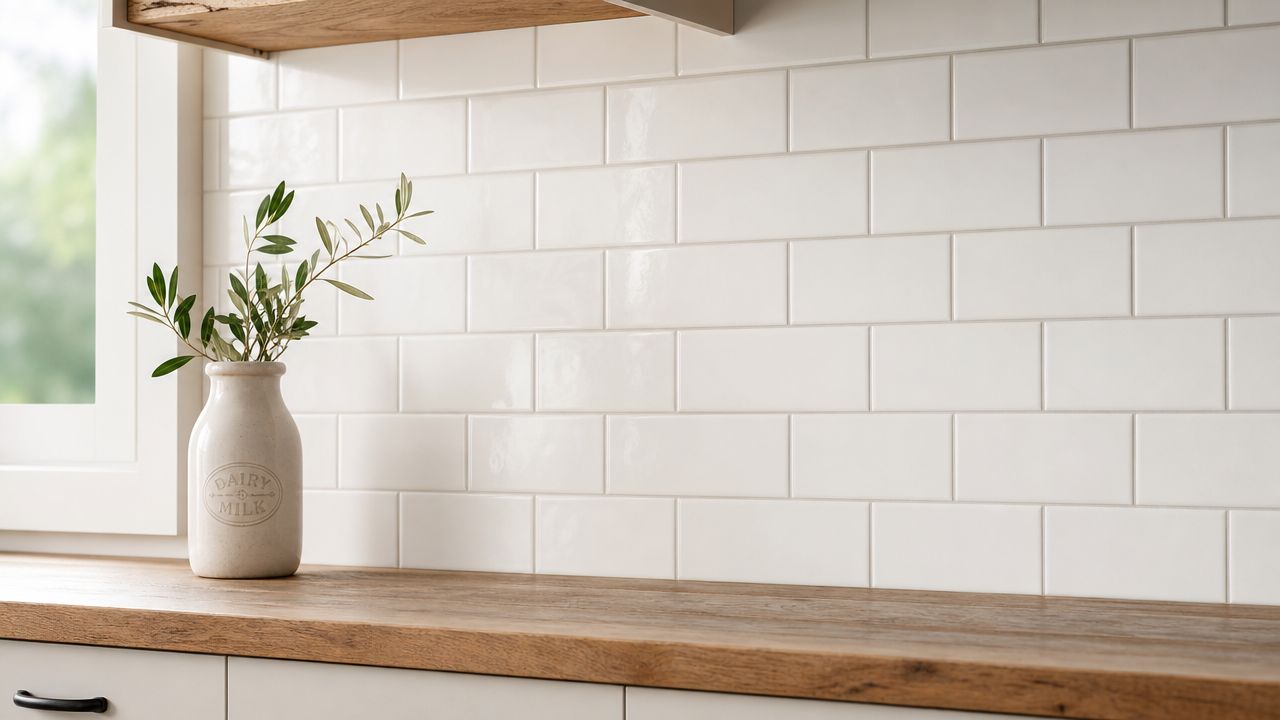
White subway tile is still the baseline look for farmhouse backsplash ideas, and for good reason. It has history, it fits almost any cabinet color, and it doesn't fight the rest of the room. The format was originally introduced in 1904 for the New York City subway system, which helps explain why it reads as both historic and timeless in kitchens today, as noted in this overview of farmhouse backsplash materials and styles.
In South Jersey kitchens, I usually see this work best with warm wood, painted shaker cabinets, apron-front sinks, and simple counters. It can look crisp and refined in Haddonfield, or more relaxed and rustic in a Cherry Hill colonial with oak floors and open shelving.
Why it still works
If you want the classic layout, stick with tile backsplash selection guidance that supports simple field tile and a clean installation plan. A practical benchmark is 3×6-inch or 2×6-inch subway tile with a narrow grout joint and a level layout line, a format often chosen because it keeps the pattern clean and reduces cutting complexity on straight kitchen walls, according to Sweeten's backsplash design guide.
A few trade-offs matter here:
- Glossy tile cleans easier: It usually wipes down better than a heavily textured face.
- Dark grout hides more: It can soften cleaning stress, but it also makes the grid more visible.
- Warm pairings prevent a sterile look: Butcher block, white oak, brass, and aged bronze keep white tile from feeling clinical.
Practical rule: If you want white subway tile to feel farmhouse instead of builder-grade, change the supporting materials, not the tile.
2. Shiplap Farmhouse Backsplash
Shiplap has real farmhouse character because it brings wood texture and horizontal rhythm into the kitchen. It feels softer than tile and less expected, especially under open shelves or around a coffee station. In older South Jersey homes, it can also echo original millwork in a way that feels native to the house.
That said, shiplap is one of those ideas that needs a little restraint. Used in the right zone, it's charming. Used behind a high-splatter cooktop without proper protection, it becomes a maintenance project.
Where shiplap belongs and where it doesn't
I like shiplap most on walls with light splash exposure. Think perimeter runs with a prep sink, a breakfast nook wall, or a section where the backsplash is more decorative than defensive. Around the range, I'd rather see tile, metal, or another easier-clean surface, then use wood elsewhere to carry the farmhouse mood.
If you're pairing it with cabinetry, this roundup of modern cabinet styles that still work with farmhouse warmth can help you avoid a look that leans too theme-heavy.
Use these rules before you commit:
- Seal every face and edge: Moisture finds unfinished edges first.
- Keep the profile simple: Deep grooves collect more grime.
- Match the paint sheen to the job: Flat paint looks soft, but satin or a kitchen-grade finish is easier to wipe.
Shiplap looks authentic, but authenticity doesn't clean itself. If your household cooks hard, use it strategically.
3. Patterned Encaustic or Moroccan Tile
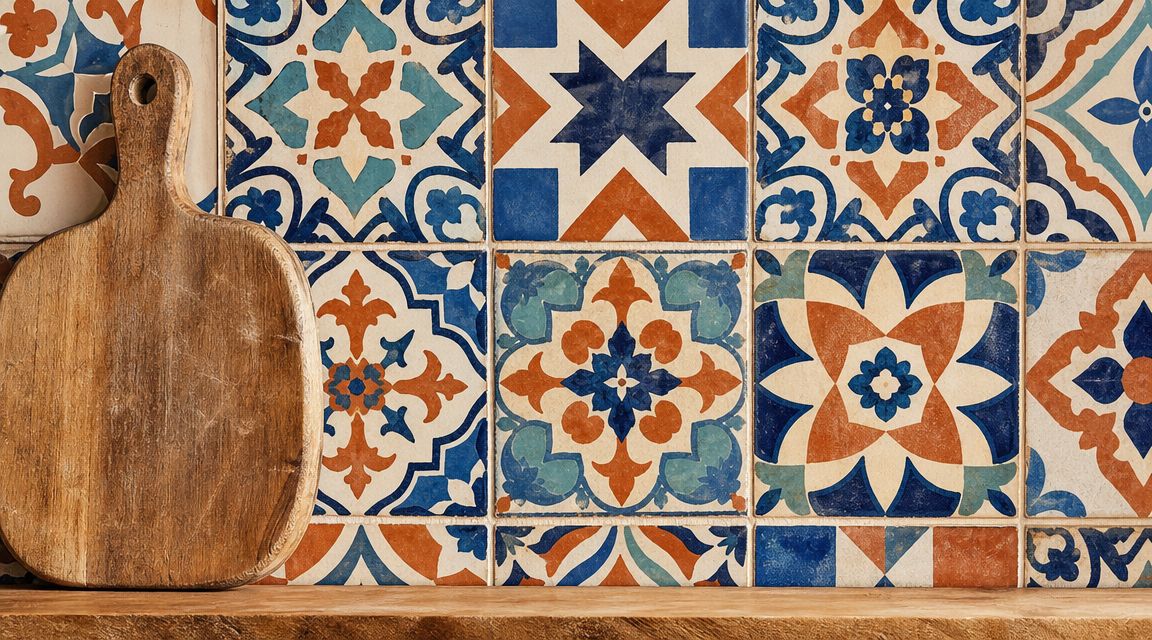
A patterned backsplash can bring life to a farmhouse kitchen that already has simple cabinets and quiet counters. If your room has a lot of white, cream, or wood and still feels unfinished, this is often the move that gives it identity. It's especially effective in homes where the kitchen opens into family space and needs one memorable focal point.
This style works best when the rest of the room stays disciplined. Busy quartz, ornate hardware, and a loud backsplash all competing together usually make the kitchen feel smaller.
How to keep pattern from taking over
I prefer using patterned tile in one concentrated area. Behind the range is common, but a full short wall can also work. In a Voorhees kitchen with plain shaker cabinetry and warm oak floating shelves, a patterned panel can look collected and handcrafted instead of trendy.
A few practical decisions matter more than people think:
- Choose a forgiving grout tone: Cream, taupe, or warm gray usually lets the tile lead.
- Repeat one color elsewhere: Pull a tone from the tile into stools, wood stain, or paint.
- Vet the installer: Pattern alignment and spacing are where this look succeeds or fails.
For more visual direction, browse kitchen backsplash trends that mix traditional and current looks.
4. Beadboard Wainscoting Backsplash
Beadboard gives you a cottage-farmhouse feel that's a little more delicate than shiplap. The vertical lines add texture, but the profile stays refined. In a smaller kitchen, especially one with vintage details or painted inset-style cabinetry, beadboard can feel more appropriate than tile that tries too hard to stand out.
I like it in homes with older trim, divided-light windows, or furniture-style islands. It feels like it belongs there. In a very modern shell, it can look pasted on unless the rest of the room supports it.
Best use cases for beadboard
The best beadboard applications are usually away from the worst grease. A prep wall, butler area, or coffee station is ideal. For the range wall, I'd use a more durable insert and let beadboard continue on surrounding surfaces.
Here's where beadboard earns its keep:
- It softens a hard kitchen: Good if you already have stone counters and painted cabinets.
- It costs less visually than brick: You still get texture without a heavy rustic feel.
- It suits traditional proportions: Especially under a chair-rail-style cap or shelf detail.
A cream or soft sage beadboard backsplash paired with unlacquered brass or black iron hardware can feel exactly right in a Moorestown or Collingswood kitchen with period character.
5. Rustic Stone or Brick Backsplash
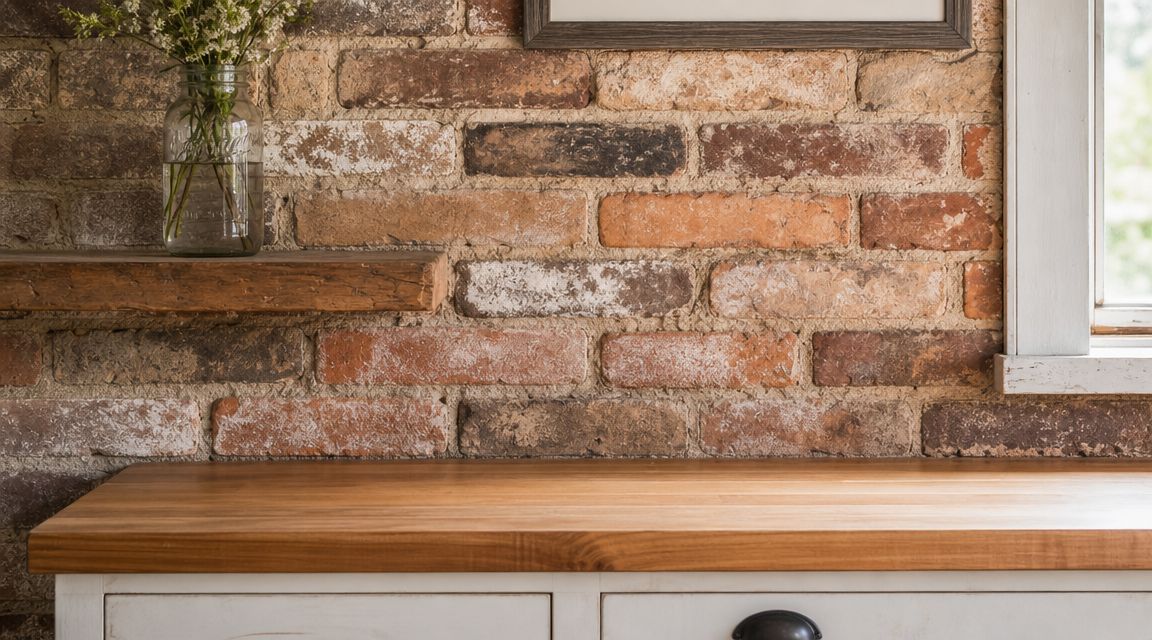
Brick and shiplap are identified as the most popular farmhouse backsplash materials in industry roundup content, which tells you something important about the style. Farmhouse design is anchored in a small group of recognizable historic finishes, not constant novelty. That's one reason brick keeps showing up in inspiration that still feels grounded rather than forced.
Real brick or stone gives a kitchen age and texture fast. If you want a room to feel like it evolved over time, few materials do that better.
The maintenance question most articles skip
The catch is upkeep. The most authentic-looking surface often asks the most from the homeowner. Porous brick can hold cooking residue, rough stone can trap grease, and grout texture matters more than people expect.
I encourage clients to reflect on their cooking habits. Guidance on farmhouse backsplash design trends and maintenance considerations highlights a gap in most inspiration content. It rarely answers practical questions like whether porous brick needs sealing, how grout color affects cleaning, or what works best behind a range in a busy kitchen.
A brick-look porcelain or ceramic alternative often gives you the farmhouse mood with far less maintenance. In many kitchens, that's the smarter choice.
If you love the look, save this reference for timeless kitchen backsplashes that stay attractive long after installation. It helps separate materials that age well from ones that only photograph well.
6. Mixed Material Backsplash Tile and Wood
Some of the best farmhouse backsplash ideas don't rely on one material at all. A mixed backsplash can solve a common design problem. You want the warmth of wood, but you also need a surface near the sink and range that can handle splashes.
That's where tile and wood together make sense. Tile handles the messy zones. Wood keeps the kitchen from feeling cold or overfinished.
How to make a mixed layout look intentional
The mistake I see most often is random transitions. A clean mixed-material backsplash needs a reason for each material change. Let cabinet lines, shelf brackets, or appliance edges determine the shift, not guesswork in the field.
Strong combinations include subway tile below open shelves, a tile range wall framed by painted tongue-and-groove, or a simple ceramic field tile with a stained wood cap detail. In a South Jersey home with a large family kitchen, this approach can bridge the gap between practical remodeling decisions and the softer farmhouse look homeowners usually want.
Keep these points in mind:
- Use tile where grease lands: Behind the range and at heavy prep zones.
- End materials on clean lines: Around windows, shelf standards, or cabinet edges.
- Caulk transitions correctly: Mixed materials move differently and need flexible joints.
This approach is especially useful when one spouse wants “easy to clean” and the other wants “character.” You can satisfy both.
7. Cream or Off-White Glazed Ceramic Tile
Not every farmhouse kitchen wants bright white. In fact, many South Jersey homes look better with a warmer neutral. Cream or off-white glazed ceramic tile can make a kitchen feel settled and inviting, especially when you're working with natural oak, walnut, soapstone-look counters, or warmer paint colors.
This choice is often the fix for a room that feels a little too sharp. Stark white can look excellent in the right house, but in some kitchens it exaggerates cool light and makes cabinets feel flatter than they are.
Why warm neutrals beat stark white in some homes
A slightly warm ceramic tile plays well with the farmhouse palette described in current style guidance. Farmhouse backsplash ideas have expanded well beyond one default look and now include options such as subway tile, herringbone, mosaic, hexagon, thin brick, terracotta, and tin, while still centering natural materials, muted colors, and vintage pieces, as discussed in this overview of farmhouse backsplash ideas with peel-and-stick and classic materials.
That broader style range gives homeowners more freedom than they think. A soft ivory or biscuit ceramic can still read farmhouse, especially with:
- Handmade variation: Slightly uneven glaze adds life.
- Simple cabinet doors: Let the tile texture do the talking.
- Warm metal finishes: Aged brass and bronze look especially good here.
I like this option for kitchens that need calm more than contrast.
8. Herringbone or Chevron Pattern Tile
A herringbone backsplash is for homeowners who want classic material with more motion. You're still using a familiar farmhouse-friendly tile, but the pattern adds energy. In a simple kitchen, that extra geometry can be exactly enough.
This is also a good compromise if you love white or neutral tile but don't want a plain running bond. The material stays restrained, while the layout does the design work.
When the pattern is worth the extra labor
Herringbone isn't the easiest install, and that matters. Layout has to be precise, cuts multiply fast, and the pattern draws attention to any mistake. But when the wall is visible from adjoining rooms, the payoff can be worth it.
I recommend it most in kitchens with broad uninterrupted backsplash areas. A tiny wall broken by lots of outlets, windows, and cabinet interruptions can make the pattern feel choppy.
Watch a layout example here before you commit:
A few practical notes:
- Monochrome works best: Let the pattern be the feature.
- Outlet planning matters: Poorly placed devices interrupt the design more than usual.
- Good installers earn their fee here: This isn't the place to cut corners.
9. Painted Backsplash with Stencil or Wallpaper
Not every kitchen needs a permanent backsplash right away. If you've just moved in, you're staging a property, or you want to test a farmhouse direction before doing a larger remodel, paint with a stencil or kitchen-rated wallpaper can work as a short-term solution.
I've seen this make sense in rentals, laundry-adjacent kitchenettes, and houses where the cabinets are staying for now but the full renovation is coming later. It can also help a homeowner live with a pattern idea before ordering actual tile.
A smart temporary option with limits
This option needs realistic expectations. It won't perform like tile around active cooking zones, and it usually won't age like a real hard surface. You can get a nice visual effect, but you're trading durability for flexibility.
Used well, it still has a place:
- Good for low-splash areas: Coffee bars, pantry walls, light-prep zones.
- Useful for testing scale: Especially if you're unsure about bold farmhouse pattern.
- Best when properly prepped: Smooth wall, kitchen-appropriate primer, careful edge sealing.
If the wall sits close to a stove, I'd still protect that zone with something more durable. Temporary ideas are fine. Temporary expectations are what keep them from becoming disappointments.
10. Marble or Limestone with Dark Grout
Natural stone can take farmhouse style in a more refined direction. Marble, limestone, and similar stones bring softness, movement, and material depth that ceramic can't fully imitate. Paired with dark grout, the look becomes more graphic and a little moodier, which suits homeowners who want farmhouse with an upscale edge.
This is often a strong fit in larger homes where the kitchen connects to formal dining or a more refined great room. It keeps the warmth of farmhouse style but enhances it.
Luxury look, real maintenance
Stone needs honest planning. Limestone and marble can stain, etch, or change over time depending on use and cleaning habits. Some homeowners love that lived-in patina. Others hate it after the first cooking splash or acidic cleaner mistake.
Dark grout can help visually define the pattern and reduce the all-white look, but it doesn't cancel the care stone requires. If you're considering this route, compare it with black kitchen backsplash tile ideas that use contrast more aggressively so you can decide whether you want subtle depth or stronger drama.
For cleanup habits that matter once grout enters the conversation, these essential tips for Madison homeowners offer broadly useful grout-care reminders, even though the application there is different.
Choose this look if you want natural variation and are willing to maintain it. Don't choose it if you want a backsplash you never have to think about.
Farmhouse Backsplash: 10-Item Comparison
| Backsplash Style | 🔄 Implementation Complexity | ⚡ Resource Requirements | ⭐ Expected Outcome (Quality) | 📊 Ideal Use Cases | 💡 Key Advantages / Tips |
|---|---|---|---|---|---|
| Classic White Subway Tile | Easy to moderate, simple layout, straightforward cuts | $500–$1,500 installed; common materials, low labor | ⭐⭐⭐⭐, timeless, bright, versatile | Budget remodels, transitional to modern farmhouse kitchens | 💡 Affordable, easy to clean; use epoxy grout and pair with warm wood |
| Shiplap Farmhouse Backsplash | Moderate to advanced, carpentry and sealing required | $800–$2,500 installed; wood material, paint/seal labor | ⭐⭐⭐, warm, authentic, tactile | Rustic farmhouse focal walls, reclaimed-wood schemes | 💡 Seal with kitchen-grade polyurethane; avoid unsealed behind stove |
| Patterned Encaustic or Moroccan Tile | Advanced, precise layout and grout planning | $2,000–$5,000+ installed; specialty tiles, skilled labor | ⭐⭐⭐⭐, high visual impact, artisanal statement | Accent walls, Mediterranean-influenced farmhouse kitchens | 💡 Use neutral grout, balance with simple cabinetry; hire experienced installer |
| Beadboard Wainscoting Backsplash | Moderate to advanced, paneling and trim work | $600–$1,800 installed; wood panels, paint/seal labor | ⭐⭐⭐, classic cottage charm, architectural detail | Small kitchens, period restorations, cottage/farmhouse styles | 💡 Prime and use moisture-resistant paint; tile behind stove for protection |
| Rustic Stone or Brick Backsplash | Advanced, masonry skills and substrate prep | $1,500–$4,000+ installed; heavy materials, expert installer | ⭐⭐⭐⭐, authentic, durable, highly textured | Historic farmhouse renovations, rustic focal points | 💡 Seal stone/grout regularly; avoid directly behind high-heat areas |
| Mixed Material Backsplash (Tile + Wood) | Advanced, coordination of multiple trades | $1,200–$3,000 installed; varied materials, higher labor | ⭐⭐⭐⭐, layered, customized, functional | Open-concept kitchens, personalized design statements | 💡 Place tile in splash zones, caulk transitions, plan detailed drawings |
| Cream / Off-White Glazed Ceramic Tile | Easy to moderate, standard tile installation | $600–$1,400 installed; mid-range tile, routine labor | ⭐⭐⭐⭐, warm, refined, forgiving than pure white | Those seeking warm neutrals with timeless appeal | 💡 Choose warm grout (taupe/cream); consider larger tiles for modern feel |
| Herringbone or Chevron Pattern Tile | Advanced, precise cutting, more waste | $1,000–$2,500 installed; standard tile + skilled setter | ⭐⭐⭐⭐, sophisticated, dynamic visual movement | Modern farmhouse, designer-level focal backsplashes | 💡 Start pattern centered, expect 15–20% waste, use experienced tile setter |
| Painted Backsplash with Stencil or Wallpaper | Easy (DIY-friendly), low skill, fast install | $50–$800 (DIY to pro); paint or peel-and-stick materials | ⭐⭐, economical and flexible but less durable | Renters, temporary updates, budget makeovers | 💡 Use kitchen-grade primer/wallpaper; install real tile behind stove |
| Marble or Limestone with Dark Grout | Advanced, careful handling and sealing needed | $2,000–$5,000+ installed; premium stone, specialist installer | ⭐⭐⭐⭐, luxurious, high-resale appeal, strong contrast | High-end farmhouse kitchens and luxury renovations | 💡 Seal immediately and annually; avoid acidic cleaners and budget maintenance |
Bring Your Farmhouse Vision to Life in South Jersey
The best farmhouse backsplash isn't the one that looks best in isolation. It's the one that fits your cabinets, your counters, your cooking habits, and the character of your home. That's the difference between a pretty idea and a kitchen that still feels right years later.
In South Jersey, that balance matters. A Haddonfield home with original trim may want beadboard or a warm ceramic tile that respects the age of the house. A newer Voorhees kitchen may handle white subway tile or a herringbone layout beautifully. A busy Cherry Hill family kitchen may love the look of brick but be happier in daily life with brick-look porcelain. Those are the trade-offs that matter most.
Farmhouse backsplash ideas also work best when the full room is considered together. Wood tone, cabinet door style, hardware finish, countertop movement, wall color, shelf styling, and grout choice all affect whether the backsplash feels cohesive or random. Homeowners often choose tile too early, before they've settled the rest of the kitchen. That usually leads to second-guessing.
Guided design helps. The Cabinet Coach works with homeowners in Cherry Hill, Voorhees, Haddonfield, and throughout Camden and Burlington County to turn scattered inspiration into a clear remodeling plan. Because the showroom comes to you, it's easier to compare tile, cabinetry, counters, and finishes in your own lighting and against the materials already in your home. That's a major advantage over trying to make decisions under store lighting or from phone screenshots.
A good backsplash choice should answer practical questions, not just style preferences. Will it wipe down easily behind the stove? Will the grout show every splash? Does the material suit the level of cooking your household does? Will it support the architecture of the home, or fight it? Those are the conversations worth having before any tile is ordered.
If you're narrowing down options now, don't guess your way through it. A farmhouse kitchen can be bright and simple, rustic and textured, or refined and elegant. What matters is choosing the version that fits your home and your routine. The Cabinet Coach can help you compare materials, refine the look, and build a project plan that makes sense from layout to finish selection.
If you're ready to turn farmhouse backsplash ideas into a real kitchen plan, connect with The Cabinet Coach. Their South Jersey mobile showroom makes it easier to review cabinetry, tile, countertops, and hardware together in your own home, then build a renovation plan that fits your style, budget, and daily life.