
Cherry Hill Kitchen Design: Can a Mobile Studio Ease Your Stress?
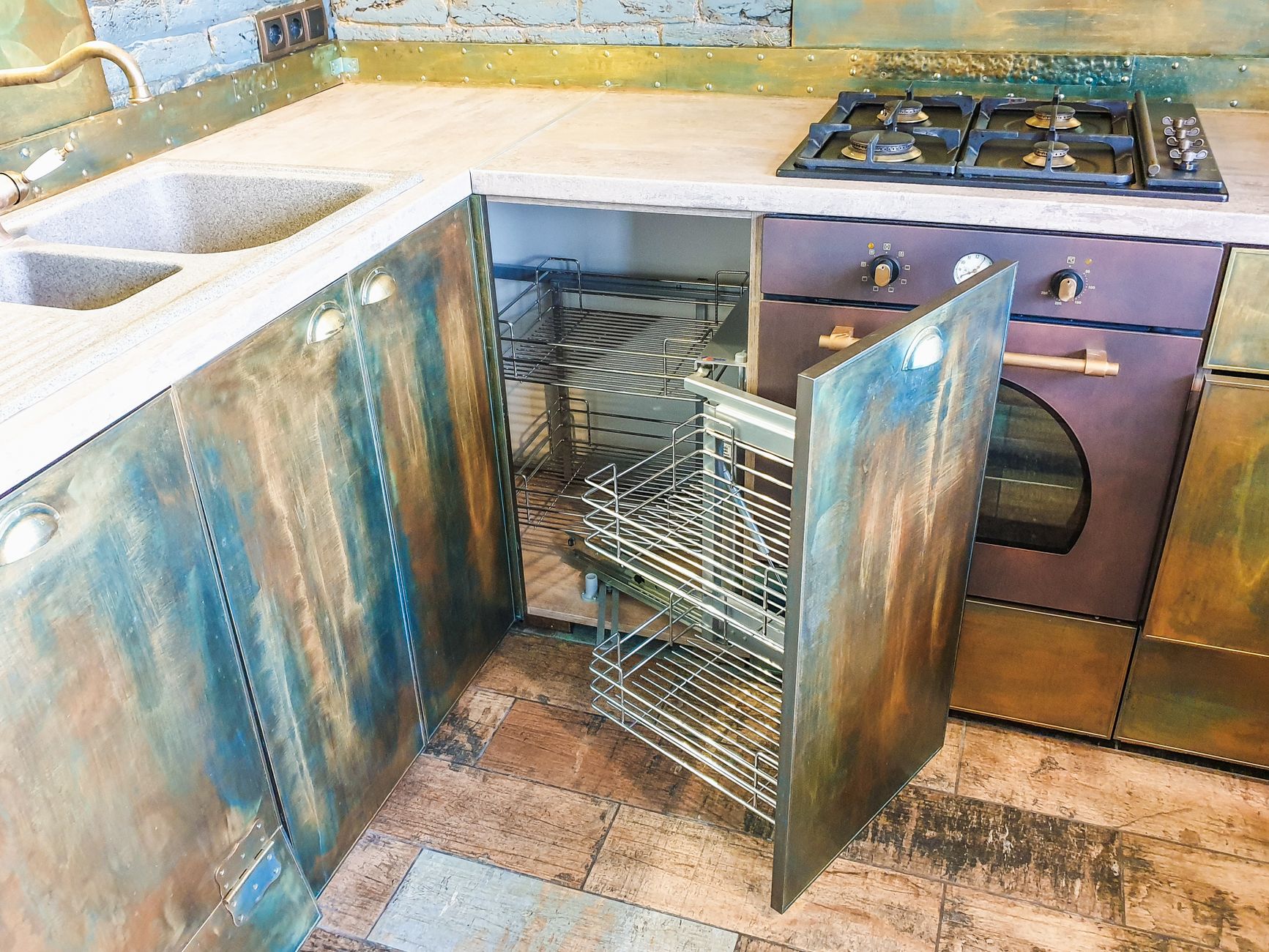
Remodeling a kitchen or bathroom in Cherry Hill often feels like stepping into a whirlwind of decisions. From cabinet styles to countertop materials, the sheer number of choices can be genuinely overwhelming. Honestly, most people overthink this part. Learn more about Blog Fluted Cabinet Tile Trend Kitchen Design Cherry Hill Nj.
It’s understandable when the stakes—and costs—are so high. You might find yourself staring at Pinterest boards for hours, wondering how on earth to bring those beautiful ideas into your own space, or grappling with how to maximize a small kitchen. The biggest fear is making an expensive design mistake or choosing materials you’ll regret later. Learn more about Kitchen Cabinet Refacing Services.
That’s where personalized guidance and the ability to visualize your space becomes absolutely crucial.
What’s Inside This Guide
- The Quick Read for Cherry Hill Homeowners
- Starting Your Cabinet Journey: A Simple Path
- Common Renovation Roadblocks to Steer Clear Of
- A Word from the Design Pros
- Savvy Tips Before You Commit
- Serving Our Neighbors in Cherry Hill
- From Vision to Reality: Your Design Unfolds
- Why Cherry Hill Homes Demand Thoughtful Design
- What’s Trending in New Jersey Cabinets
- Why Our Mobile Studio Stands Out
- Beyond Cabinets: Related Design Elements
- Visualization is Key: Many homeowners struggle to picture new cabinets in their space. A mobile design studio fixes this by bringing samples right to your home.
- Overwhelm is Common: Too many choices in kitchen and bathroom renovations can be paralyzing. Expert guidance simplifies your decisions.
- Personalized Solutions: Generic cabinet options rarely fit unique styles or functional needs. Custom solutions ensure perfect integration.
- Save Time & Effort: Avoid countless showroom visits. Our service brings samples and design expertise directly to you.
- Quality Matters: Concerns about mass-produced cabinet durability are valid. Custom options usually offer superior craftsmanship and longevity.
- Seamless Coordination: Integrated design and installation support reduces the stress of juggling multiple contractors and suppliers.
Starting Your Cabinet Journey: A Simple Path
Beginning a kitchen or bathroom renovation doesn’t have to be intimidating. So, how do you even get started? It’s much simpler than you might imagine, especially with the right guidance.
Getting new cabinets should feel exciting, not anxiety-inducing. Learn more about Liberating Kitchens Embracing The Beauty Of Wall Cabinet Free Designs.
- Initial Chat: We’ll have a brief call. We want to understand your vision, your functional kitchen design needs, and what you’re hoping to achieve for your Cherry Hill home. This helps us tailor our approach right from the start.
- In-Home Consultation: A professional will visit your home. We’ll measure your space and discuss design possibilities right where you’ll see them every day. This eliminates guesswork.
- Design & Material Selection: This is where the magic happens! You’ll review layouts and choose materials. We bring the cabinet showroom to you for expert design services, making selections incredibly convenient.
- 3D Visualization: See your future kitchen or bathroom come to life with realistic 3D renderings. You can visualize your kitchen layout before the remodel and tweak every detail.
- Quote & Refinement: We provide a detailed quote. You can refine your choices, ensuring everything aligns with your budget and aesthetic preferences.
- Installation & Completion: Our team manages the installation, bringing your custom cabinetry to life with precision and care.
Common Renovation Roadblocks to Steer Clear Of
When planning a kitchen or bathroom remodel, it’s easy to fall into certain traps. One of the biggest mistakes we see is homeowners trying to fit square pegs into round holes with off-the-shelf cabinets. These often don’t perfectly fit awkward or unique kitchen/bathroom layouts. That leaves wasted space or unsightly gaps.
Another common misstep is underestimating the complexity of coordinating cabinet design, selection, and installation with other renovation aspects like countertops and hardware. It’s a lot to juggle. Without a solid plan, things can quickly go sideways. Learn more about Cabinet Refacing Services.
Many folks also skip detailed visualization tools, relying only on small samples and their imagination. But this can lead to frustration with mismatched cabinets, countertops, and hardware once everything is installed. Learn more about Bathroom Cabinet Design.
And then there’s the dreaded budget creep. Without precise measurements and a clear understanding of material costs, what starts as an exciting project can quickly turn into a financial headache.
Lastly, neglecting future maintenance and longevity considerations can lead to choosing materials that look great initially but don’t stand the test of time or your family’s lifestyle. We always advocate for a proactive approach. Addressing these potential pitfalls early in the design process ensures a smooth, satisfactory renovation experience.
Why Custom Cabinetry is a Smart Investment for Your Home
Investing in custom cabinetry goes beyond simply filling space; it’s about optimizing your home’s functionality. It enhances aesthetic appeal and can even increase market value. Unlike mass-produced alternatives, custom cabinets are meticulously designed to fit your kitchen or bathroom’s unique dimensions and architectural nuances. This eliminates wasted space. It also allows for innovative storage solutions that might otherwise be impossible. Think pull-out pantries, cleverly disguised appliance garages, or drawers precisely sized for your specific cookware.
Beyond practicality, custom cabinetry offers unparalleled aesthetic flexibility. You’re not stuck with a few standard finishes or door styles. Instead, you can choose from an extensive palette of materials, wood species, stains, paints, and hardware.
This lets you achieve a cohesive design that perfectly complements your home’s overall style, whether it’s modern, traditional, rustic, or eclectic. This level of personalization creates a truly unique space. It reflects your taste and lifestyle, transforming a mere room into a cherished centerpiece of your home.
Furthermore, the quality and craftsmanship you get with custom cabinetry are typically superior. Manufacturers of bespoke cabinets often use higher-grade materials and employ more robust construction techniques than their production-line counterparts. This means your cabinets are built to last, withstanding the rigors of daily use for decades.
This durability not only saves you money on potential repairs or replacements down the line, but also contributes to a more sustainable choice, reducing waste.
The initial investment might be higher, but the long-term benefits in terms of longevity, functionality, and increased home value make custom cabinetry a remarkably sound and rewarding decision for any homeowner looking to upgrade their living spaces.
Making the Most of Your Renovation Budget with Cabinetry
Navigating a renovation budget can feel like a tightrope walk. But strategic choices regarding your cabinetry can significantly impact both your bottom line and the final outcome. The key is to prioritize and understand where your investment will yield the greatest returns. While custom cabinetry might seem like a premium expense, its ability to maximize space, offer superior durability, and elevate aesthetics often provides better long-term value than cheaper, less tailored options. Consider where you spend the most time in your kitchen or bathroom—these are the areas where high-quality, functional cabinetry will truly shine.
One effective strategy is to blend custom elements with semi-custom or even stock components in less critical areas. For instance, you might opt for fully custom, highly functional cabinets around your primary cooking zone. Then, use more cost-effective solutions for a less-used pantry area.
Another tip is to invest in the internal features of your cabinets—soft-close drawers, pull-out shelves, and intelligent organizers—as these enhance daily usability and can be more impactful than purely decorative exterior elements. While beautiful door styles and finishes are important, the functionality within the cabinet directly impacts your workflow and enjoyment of the space.
Finally, work closely with an experienced designer. They can help you allocate your budget wisely. A skilled professional can guide you through material selections, identifying cost-effective alternatives that don’t compromise on quality or style.
They can also provide accurate estimates, preventing unexpected costs and helping you make informed decisions about where to splurge and where to save. Remember, a successful renovation isn’t just about spending less; it’s about spending smart to achieve a beautiful, functional, and enduring space that adds real value to your home and your life.
Remember, a successful renovation isn’t just about spending less; it’s about spending smart to achieve a beautiful, functional, and enduring space that adds real value to your home and your life.
Smart Appliance Integration: Beyond the Basics
Modern kitchen design goes far beyond just cabinets and countertops. Intelligent appliance integration plays a pivotal role in creating a truly efficient and enjoyable space. When planning your kitchen, consider not only the type of appliances you need, but also how they will integrate seamlessly into your overall design.
Built-in appliances, for instance, offer a sleek, streamlined look. They’re often concealed behind custom panels to blend perfectly with cabinetry. This approach can make a smaller kitchen feel larger and more cohesive, as it eliminates visual clutter.
Think about integrated refrigerators, dishwashers, and even microwaves that are tucked away in a cabinet or drawer, rather than occupying prime countertop real estate.
Beyond aesthetics, consider the functionality and “smart” capabilities of today’s appliances. Wi-Fi enabled ovens, for example, can be preheated remotely. Smart refrigerators can help track groceries and suggest recipes.
While these features often come with a higher price tag, their convenience can significantly enhance your daily routine. However, it’s crucial to assess which smart features genuinely benefit your lifestyle and which might be superfluous. Investing in high-quality, energy-efficient appliances is always a wise decision.
They reduce utility costs over time and contribute to a more sustainable home. Researching Energy Star ratings and user reviews can help you make informed choices that balance initial cost with long-term savings and performance.
Another often-overlooked aspect is the strategic placement of appliances. The classic “work triangle” (sink, refrigerator, and range) remains a valid guideline, but modern kitchens often involve more complex workflows. Consider dedicated zones for different activities: a baking station with an oven and mixer, a coffee bar, or a prep area near the sink and disposal.
Ensuring adequate counter space adjacent to each major appliance is also critical for comfortable and safe operation. For example, you need a generous landing zone next to your oven for hot dishes, or ample space next to your refrigerator for unloading groceries.
Thoughtful appliance planning transforms a collection of individual units into a synchronized system that supports your culinary adventures.
Lighting Design: Illuminating Function and Atmosphere
Often underestimated, effective lighting design is paramount in a kitchen. It impacts both functionality and ambiance. A well-lit kitchen should incorporate a layered approach, combining ambient, task, and accent lighting to meet various needs throughout the day.
Ambient lighting provides overall illumination for the entire space, often achieved with recessed lights, ceiling-mounted fixtures, or even natural light from windows and skylights. This foundational layer ensures the kitchen is bright and welcoming, preventing dark corners and shadows.
Task lighting is critical for specific work areas where precision is needed. Under-cabinet lighting is an excellent example. It illuminates countertops directly, making food preparation safer and more comfortable.
Pendant lights positioned over an island or peninsula also serve as effective task lighting, while also adding a decorative element. When selecting task lights, consider color temperature – a cooler, brighter light (around 4000K-5000K) is generally preferred for work areas, as it enhances visibility and reduces eye strain.
Dimmers are also highly recommended for all task lighting, allowing you to adjust intensity based on the activity or time of day.
Accent lighting is used to highlight architectural features, artwork, or decorative elements. This adds depth and visual interest to the kitchen. This could include in-cabinet lighting to showcase glassware, toe-kick lighting for a soft glow at floor level, or small spotlights directed at a backsplash detail.
Beyond functionality, accent lighting contributes significantly to the kitchen’s atmosphere. It lets you transform the mood from a bright, functional workspace to a warm, inviting gathering spot. Integrating smart lighting systems allows for even greater flexibility, with control over brightness, color temperature, and even scheduling from a smartphone or voice assistant.
Remember to consult with an electrician or lighting designer early in the planning process to ensure proper wiring, switch placement, and fixture selection for optimal results.
Flooring and Backsplash: Durable Beauty and Personal Style
The choices you make for your kitchen’s flooring and backsplash are not just about aesthetics. They’re also about durability, maintenance, and how they contribute to the room’s overall feel. These surfaces endure significant wear and tear, from spills and foot traffic to heat and grease.
So, selecting materials that can withstand these challenges is crucial for a long-lasting and beautiful kitchen. For flooring, popular options include hardwood, engineered wood, tile (porcelain or ceramic), natural stone, and luxury vinyl plank (LVP). Each has its pros and cons in terms of cost, durability, water resistance, and comfort underfoot.
Hardwood offers timeless appeal and warmth, but requires careful maintenance and can be susceptible to scratches and water damage. Engineered wood provides a similar look with better stability. Tile is incredibly durable, water-resistant, and comes in an endless array of styles and patterns.
This makes it a versatile choice, though it can be harder underfoot and grout lines require regular cleaning. Natural stone offers unparalleled elegance but often comes with a higher price tag and requires sealing to prevent staining.
LVP has emerged as a highly popular choice due to its exceptional water resistance, durability, affordability, and realistic wood or stone appearances. It’s a practical option for busy households.
The backsplash, while often a smaller surface area, offers a significant opportunity for personal expression and protection against splashes and stains. It bridges the gap between countertops and upper cabinets, creating a visual focal point.
Common backsplash materials include ceramic or porcelain tile, natural stone (marble, granite, travertine), glass tile, stainless steel, and even solid slabs of countertop material. Subway tile remains a classic for its clean lines and versatility, while geometric patterns, mosaic tiles, or intricate designs can add a unique artistic flair.
When choosing a backsplash, consider how it complements your countertop and cabinet finishes. A busy countertop might pair best with a simpler backsplash. A plain countertop, though, could allow for a more dramatic or textured backsplash.
Always think about ease of cleaning; smoother, non-porous surfaces are generally easier to wipe down than highly textured or unsealed materials. Investing in quality installation for both flooring and backsplash is key to ensuring longevity and a flawless finish, protecting your investment for years to come.
Cabinetry: The Foundation of Kitchen Functionality and Style
Cabinets are arguably the most impactful element in a kitchen remodel. They define its aesthetic and dictate its functionality. They take up the most visual real estate and house the majority of your kitchen’s contents.
When selecting cabinets, you’ll encounter various options: stock, semi-custom, and custom. Stock cabinets are pre-manufactured in standard sizes, offering the most budget-friendly solution and quickest installation. Semi-custom cabinets provide more design flexibility with additional sizes, finishes, and features not available in stock lines.
Custom cabinets are built specifically for your kitchen. They allow for complete personalization in terms of size, material, finish, and unique storage solutions, though they come at a premium price.
Beyond the construction type, consider the door style. This largely dictates the kitchen’s overall look. Shaker style, with its clean lines and recessed panel, remains a timeless and versatile choice, fitting both traditional and contemporary designs.
Slab doors offer a minimalist, modern aesthetic. Raised panel doors lend a more traditional or formal feel. The finish also plays a crucial role; painted cabinets, especially in whites and grays, are popular for their bright and airy feel, while wood stains (cherry, maple, oak) offer warmth and classic appeal.
Emerging trends include two-toned kitchens, where upper and lower cabinets feature different colors or materials, and open shelving, which can add a decorative touch and make a kitchen feel more spacious.
Don’t forget about hardware—knobs and pulls are the jewelry of your cabinets, offering a simple yet effective way to personalize the space and tie into the overall design theme.
Lighting: Illuminating Both Task and Ambiance
Often underestimated, kitchen lighting is critical for both practicality and mood. A well-designed lighting plan incorporates multiple layers: ambient, task, and accent lighting. Ambient lighting provides overall illumination, typically achieved with recessed lights, ceiling-mounted fixtures, or track lighting.
This layer ensures the entire kitchen is adequately lit. Task lighting is essential for workspaces like countertops, the sink, and the stovetop. Under-cabinet lighting, often in the form of LED strips or puck lights, is paramount for illuminating prep areas without casting shadows.
Pendant lights above an island or peninsula also serve as excellent task lighting while adding a decorative element.
Accent lighting is used to highlight specific features, such as display cabinets, artwork, or architectural details. This adds depth and visual interest to the space. Dimmers are a smart investment across all lighting layers.
They let you adjust the brightness and create different moods, from bright and functional for cooking to soft and inviting for entertaining. Natural light should also be maximized where possible, using windows and appropriate window treatments to bring in daylight, which can make a kitchen feel larger and more vibrant.
Consider the color temperature of your light bulbs as well; warmer temperatures (around 2700K-3000K) create a cozy atmosphere, while cooler temperatures (3500K-4000K) are better for task-oriented areas, promoting alertness and accurate color perception. A thoughtful lighting plan not only enhances the kitchen’s aesthetics but also improves its functionality and comfort for all activities.
Appliances: The Engine of Your Culinary Space
Appliances are the workhorses of the kitchen, and their selection impacts both the efficiency of your cooking and the overall design. Beyond functionality, modern appliances offer a vast array of finishes and smart features. Stainless steel remains a popular choice for its sleek, professional look and durability.
But black stainless, matte black, and even custom panel-ready options (where appliances are integrated seamlessly behind cabinet panels) are gaining traction. This allows for a more customized and cohesive kitchen design. When choosing appliances, consider your cooking habits and lifestyle.
A large family might prioritize a spacious refrigerator and a double oven, while a passionate home chef might invest in a high-BTU range and a powerful range hood.
Energy efficiency is another crucial factor. Look for Energy Star certified appliances to save on utility bills and reduce your environmental footprint. Smart appliances, which connect to Wi-Fi and can be controlled remotely via smartphone apps, are increasingly common.
Features like remote preheating, recipe suggestions, and inventory management can add convenience, though they often come at a higher price point. Don’t overlook the importance of proper ventilation. A good range hood is essential for removing smoke, steam, and cooking odors, protecting your indoor air quality and preventing grease buildup on surfaces.
Dishwashers with quiet operation and advanced cleaning cycles can significantly enhance daily convenience. Finally, consider the layout of your appliances within the “work triangle” – the imaginary line connecting the refrigerator, sink, and stove. An efficient work triangle minimizes steps and maximizes workflow, making your kitchen a joy to use.
Investing in quality appliances that meet your needs and integrate well with your design will provide lasting value and enjoyment for years to come.
The Impact of Cabinetry and Countertops on Kitchen Functionality and Aesthetics
Beyond appliances, cabinetry and countertops form the backbone of your kitchen’s design and functionality. Cabinets offer essential storage, influencing both the visual appeal and the organization of your space. When selecting cabinets, consider both the material and the construction. Plywood is generally superior to particleboard for durability and moisture resistance, especially for base cabinets. Door styles range from traditional raised panel and Shaker to sleek, modern flat-panel designs. The finish, whether painted, stained, or thermofoil, also plays a significant role in the overall aesthetic. Don’t forget about interior fittings: pull-out shelves, lazy Susans, spice racks, and drawer organizers can dramatically improve accessibility and storage efficiency. Custom cabinetry allows for precise sizing and personalized features. But semi-custom and stock options can offer excellent value and a wide array of styles at more accessible price points.
Countertops, arguably the most frequently used surface in the kitchen, demand careful consideration. Material choice impacts not only the look, but also durability, maintenance, and cost. Granite and quartz remain highly popular for their natural beauty, strength, and resistance to heat and scratches.
Quartz, being engineered, offers a wider range of consistent patterns and colors. It’s also non-porous, making it exceptionally hygienic and easy to maintain. Marble, while undeniably luxurious, is softer and more porous.
It requires diligent sealing and care to prevent etching and staining. For a more budget-friendly yet still attractive option, laminate countertops have come a long way in mimicking natural stone and wood patterns. They offer good durability for the price.
Solid surface materials like Corian provide seamless integration with sinks and excellent repairability. Butcher block adds warmth and a rustic charm. However, it requires regular oiling and is susceptible to water damage if not properly cared for.
Consider how each material will perform under the demands of your household and cooking habits.
Lighting and Flooring: Setting the Mood and Foundation
Often underestimated, lighting is crucial for both the functionality and ambiance of your kitchen. A well-lit kitchen should incorporate multiple layers of light: ambient, task, and accent. Ambient lighting, usually provided by recessed cans, ceiling fixtures, or track lighting, illuminates the general space.
Task lighting is essential for workspaces like countertops and the stove; under-cabinet lighting is an absolute must for banishing shadows and ensuring safe, comfortable meal preparation. Pendants over an island or peninsula can serve as both task and accent lighting, adding a decorative element.
Accent lighting, such as in-cabinet lighting or toe-kick lighting, can highlight architectural features or create a softer, more inviting atmosphere in the evenings. Smart lighting systems let you adjust brightness and color temperature, further enhancing versatility and mood control.
Thoughtful lighting design can make a small kitchen feel larger and a large kitchen feel more intimate.
The flooring you choose for your kitchen needs to be durable, easy to clean, and comfortable underfoot. Hardwood floors offer timeless beauty and warmth. But they can be susceptible to scratches and water damage if not properly sealed and maintained.
Engineered wood provides a more stable and moisture-resistant alternative. Tile, particularly porcelain or ceramic, is an extremely popular choice due to its exceptional durability, water resistance, and wide variety of styles, colors, and patterns. However, tile can be hard on the feet and cold, making area rugs a common addition.
Luxury vinyl plank (LVP) and luxury vinyl tile (LVT) have emerged as strong contenders. They offer excellent water resistance, durability, and realistic looks that mimic wood and stone, often at a more affordable price point and with softer underfoot feel.
Concrete floors, sealed and polished, offer a modern, industrial aesthetic that is incredibly durable and low maintenance. Linoleum, a natural product, is another eco-friendly option known for its resilience and comfort.
Whichever material you select, ensure it can withstand the high traffic, spills, and demands of a busy kitchen environment while complementing the overall design scheme.
Smart Technology and Sustainable Choices in Modern Kitchen Design
The modern kitchen is increasingly integrating smart technology to enhance convenience, efficiency, and entertainment. Beyond smart appliances, consider smart faucets that can dispense precise measurements of water or activate hands-free. Smart lighting systems, as mentioned, offer unparalleled control over ambiance and energy consumption.
Voice-activated assistants built into smart displays can help with recipes, shopping lists, and playing music. Even waste management systems are evolving, with smart composters and integrated recycling solutions. While these technologies can add a significant upfront cost, they offer a glimpse into the future of home automation and can greatly simplify daily tasks.
Sustainability is another growing consideration in kitchen design. Choosing eco-friendly materials and energy-efficient appliances not only benefits the planet but can also lead to long-term savings on utility bills. Opt for cabinetry made from sustainably harvested wood, recycled content, or rapidly renewable resources like bamboo.
Countertops made from recycled glass, salvaged wood, or even recycled paper composites offer unique and environmentally conscious alternatives to traditional stone. Low-VOC (volatile organic compound) paints and finishes improve indoor air quality. Incorporate effective waste sorting systems, including dedicated bins for recycling, composting, and trash.
Consider a water filtration system to reduce reliance on bottled water. Natural ventilation and maximizing natural light can also reduce the need for artificial lighting and air conditioning. Designing a sustainable kitchen is about making conscious choices that align with environmental responsibility without sacrificing style or functionality.
By carefully considering all these elements – appliances, cabinetry, countertops, lighting, flooring, and incorporating smart and sustainable choices – you can create a kitchen that is not only beautiful and efficient but also a true reflection of your lifestyle and values.